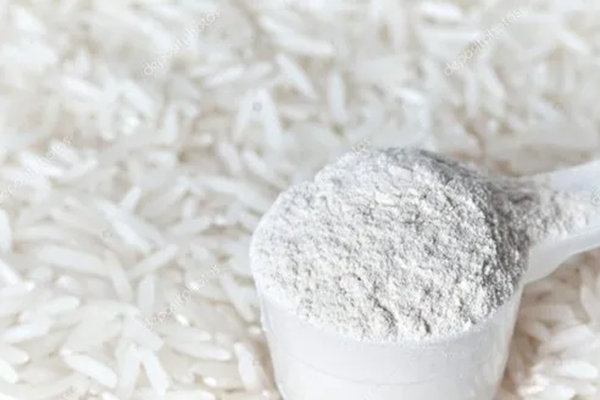
Rice Protein
Rice protein is a type of protein derived from rice grains. It is considered a plant-based protein source and has gained popularity in the field of nutrition and food products.Rice protein is typically obtained through extraction and processing methods that separate the protein components from the rest of the rice. This can involve techniques such as enzymatic hydrolysis or chemical treatments.
Request a Sample Contact Us
One of the notable features of rice protein is its relatively low allergenic potential compared to some other protein sources. This makes it suitable for individuals with allergies or sensitivities to common proteins like dairy, soy, or whey.
In terms of amino acid composition, rice protein contains essential amino acids, although the profile may not be as complete as that of some animal-based proteins. However, it can be combined with other plant-based proteins or foods to form a more balanced amino acid intake.
Rice protein is often used in various applications, including dietary supplements, sports nutrition products, and plant-based foods. It can be formulated into powders, bars, shakes, and other edible items to increase the protein content and provide a nutritious option for those looking to meet their protein requirements.
Overall, rice protein offers a valuable alternative for those seeking plant-based protein sources and can play a significant role in a balanced and nutritious diet.
Nutritional Differentiators of Rice Protein
● Low Allergenicity: Rice protein is one of the least allergenic protein sources, making it suitable for individuals with multiple food allergies or sensitivities.
● Gluten-Free: It is naturally gluten-free, which is essential for those with celiac disease or gluten intolerances.
● Rich in Arginine: Arginine is an amino acid that plays a role in various physiological processes, including blood circulation and immune function.
● Digestibility: Generally well-tolerated and easily digested, reducing the risk of digestive discomfort.
● Low in Fat and Cholesterol: Helps maintain a heart-healthy diet by avoiding excessive fat and cholesterol intake.
● Source of B Vitamins: Contains certain B vitamins like thiamine, riboflavin, and niacin, which are important for energy metabolism.
● Mineral Content: May have small amounts of minerals such as iron, zinc, and manganese.