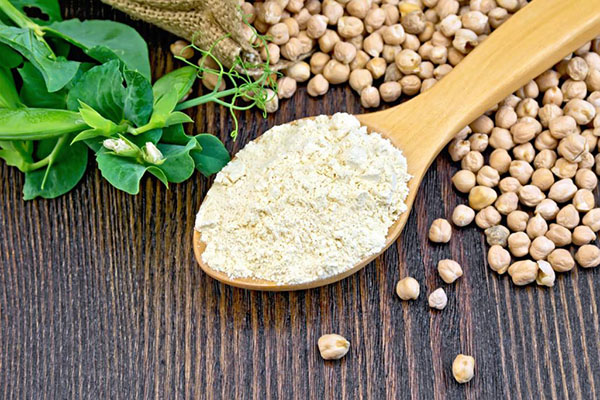
Chickpea Protein
Chickpea protein is becoming an increasingly popular and valuable ingredient in the world of nutrition and food. Chickpeas, from which the protein is derived, have been a staple in many diets for centuries. The extraction of protein from these humble legumes results in a product that offers numerous benefits.
Request a Sample Contact Us
One of the key attractions of chickpea protein is its high protein content. It provides a significant amount of essential amino acids, which are the building blocks necessary for various physiological functions within the body. These amino acids play a crucial role in muscle maintenance, growth, and repair.
The digestibility of chickpea protein is another notable feature. It is relatively easy for the body to process and absorb, ensuring that the nutrients are efficiently utilized. This makes it a suitable option for individuals with sensitive digestive systems or those seeking a protein source that is gentle on the gut.
Chickpea protein is also rich in dietary fiber. This fiber content promotes healthy digestion, helps regulate blood sugar levels, and contributes to a feeling of fullness, which can be beneficial for weight management.
In terms of taste and texture, chickpea protein has a mild and neutral flavor that makes it highly versatile. It can be seamlessly incorporated into a wide range of food products without significantly altering the taste or texture.
From a nutritional perspective, it contains important vitamins and minerals such as folate, iron, and zinc. Folate is essential for cell growth and development, while iron is necessary for oxygen transport and energy production, and zinc plays a role in immune function and wound healing.
Chickpea protein is also suitable for various dietary preferences and restrictions. It is a great choice for vegetarians, vegans, and those looking to reduce their intake of animal-based proteins.
In food applications, chickpea protein can be found in a variety of products. It is used in the creation of plant-based burgers, protein bars, and snack chips. It can also be added to baked goods to increase the protein content and make them more nutritious. For example, in the development of a plant-based protein bar, chickpea protein can provide a substantial protein boost while also contributing to a satisfying texture and flavor.
In conclusion, chickpea protein is a nutritious, digestible, and versatile ingredient that holds great potential in meeting the diverse dietary needs and preferences of consumers.
Nutritional Differentiators of Chickpea Protein
- Rich in Branch-Chain Amino Acids (BCAAs): Chickpea protein contains a notable amount of BCAAs like leucine, isoleucine, and valine, which are crucial for muscle protein synthesis and recovery.
- High in Resistant Starch: It offers a significant quantity of resistant starch, which acts as a prebiotic, promoting the growth of beneficial gut bacteria and improving digestive health.
- Good Source of Manganese: Manganese is an essential mineral involved in metabolism, antioxidant defense, and bone formation.
- Low in Saturated Fat: Helps in maintaining a healthy lipid profile and reducing the risk of heart diseases.
- Contains Phytochemicals: Such as flavonoids and phenolic acids, which have antioxidant and anti-inflammatory properties.
- High Protein Efficiency Ratio (PER): Indicating that the body can effectively utilize the protein for various physiological functions.
- Relatively High Phosphorus Content: Phosphorus is important for bone health, energy metabolism, and cell membrane structure.